
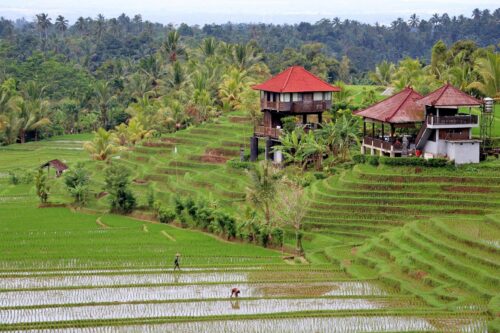
When you think of Bali, you might picture the bustling beaches of Kuta, the iconic surf breaks of Uluwatu, or the chic boutiques and restaurants of Seminyak. For years, these vibrant hubs have been the cornerstone of the island’s tourism and property market. But a significant shift is underway. A new “Bali” is emerging, driven by a changing demographic of tourists, long-term residents, and investors seeking a different kind of paradise. This new landscape is moving beyond the traditional hotspots and shaping a diverse, dynamic, and incredibly promising real estate market.
The Evolution of Bali’s Property Map
The story of this evolution often begins with Canggu. Once a sleepy village of rice paddies and black-sand beaches, Canggu transformed into the global epicenter for digital nomads, surfers, and health-conscious travelers. Its rapid development made it a magnet for investment, but this success has led to a saturation of villas and a traffic-clogged main road. While still a viable investment area, the market has matured, and investors are now looking for the next growth frontier.
This search has led to the rise of several new growth corridors, each offering a unique proposition:
- Pererenan and Cemagi: The “New Canggu” Just a stone’s throw from Canggu, these areas offer a similar bohemian-chic vibe but with a slower, more tranquil pace. Pererenan and Cemagi are quickly becoming the go-to spots for those who want the Canggu lifestyle without the congestion. For investors, this is a prime opportunity to acquire land and properties with significant appreciation potential as demand from Canggu spills over.
- Uluwatu and the Bukit Peninsula: The Luxury Haven With its dramatic cliffs, pristine beaches, and world-class surf breaks, the Bukit Peninsula has always been a high-end destination. The investment trend here is focused on luxury villas and hospitality, catering to a sophisticated clientele seeking seclusion, breathtaking ocean views, and premium amenities. This niche market offers stable, high-value returns for investors targeting the luxury segment.
- Ubud: The Cultural and Wellness Sanctuary As the heart of Bali’s art and spirituality, Ubud attracts a different kind of tourist—one focused on wellness, culture, and nature. The property market here is less about beach clubs and more about serene retreats and private sanctuaries nestled among lush rice terraces and jungles. It’s a reliable and resilient market for investors seeking long-term rental income from travelers who value tranquility and authenticity.
- The Tabanan Coast: The Next Frontier Further afield from the main hubs, the Tabanan Coast offers an opportunity for forward-thinking, long-term investors. Characterized by its untouched black sand beaches and stunning natural landscapes, this area provides a peaceful escape from the crowds. While infrastructure is still developing, the lower land prices and promise of future growth make it an appealing option for those willing to wait for significant capital appreciation.
Key Drivers Behind the Shift
This evolution is not accidental; it’s driven by fundamental changes in who is coming to Bali and what they are looking for.
- The Rise of the Digital Nomad: The global shift to remote work has made Bali a top destination for a new generation of professionals. These individuals are fueling demand for properties in quiet, community-focused areas that offer a good work-life balance and a strong sense of belonging.
- A Desire for Authenticity and Wellness: Travelers and residents alike are increasingly moving away from mass tourism in search of genuine, immersive experiences. This has led to a push for properties that reflect Balinese culture, are integrated into local communities, and provide a space for personal well-being and rejuvenation.
- The Push for Sustainable and Eco-Conscious Living: Environmental awareness is now a major factor in property decisions. Investors and buyers are actively seeking out eco-friendly properties, whether they are built with sustainable materials like bamboo and recycled wood or feature advanced water and energy conservation systems.
Actionable Insights for Investors
With Bali’s property map expanding, investors have more options than ever before. Choosing the right path depends on your investment goals.
- For Short-Term Stability and Proven Returns: Look at established areas like Canggu and Seminyak. While initial costs are higher, these markets have a consistent, high demand for short-term holiday rentals, offering predictable rental yields.
- For Long-Term Growth and High Appreciation: Consider investing in emerging areas like Pererenan, Cemagi, or the Tabanan Coast. These areas offer more affordable entry points and the potential for significant capital appreciation as development and popularity increase over time.
- For Lifestyle and Specific Niches: If your goal is to cater to a specific market, like wellness or long-term remote workers, focus on areas like Ubud or Pererenan. Your investment will be more targeted and potentially more resilient to general tourism fluctuations.
Conclusion: Investing in the Future of Bali
Bali’s real estate market is dynamic, offering a diverse array of opportunities for investors. The “new Bali” isn’t just a single location; it’s a collection of unique, promising areas each with its own appeal. To navigate this evolving landscape successfully, it’s essential to be well-informed and partner with local experts who understand the nuances of each region. By doing so, you can make a strategic and secure investment in the future of this beautiful island.


