
The Bali flooding crisis has struck with alarming intensity, bringing water levels of 2-3 meters (water levels of 2-3 meters) that have submerged homes and disrupted life across the island. As of 12:30 PM WITA on September 10, 2025, heavy rains since Tuesday, September 9, have triggered widespread flooding, with Denpasar bearing the brunt of the disaster. The Bali Provincial Disaster Management Agency (BPBD) reports extensive damage, prompting urgent evacuation efforts. This article examines the impact of water levels reaching 2-3 meters, the response measures implemented, and the underlying causes, providing insights into this ongoing challenge.
The Scale of the Bali Flooding Crisis
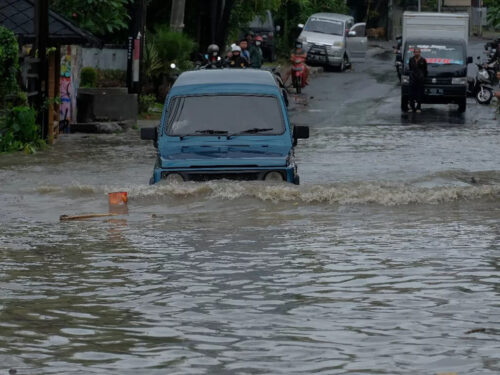
The water levels of 2-3 meters have turned parts of Bali into a waterlogged zone, with floodwaters reaching up to second-story homes. BPBD Bali Secretary Gede Agung Teja Bhusana Yadnya confirmed that nearly the entire island is affected, with the worst-hit area being Denpasar, where approximately 43 flood points have been identified. Images from Jalan Gunung Salak show vehicles struggling through the deluge, highlighting the severity. Evacuation operations are underway, though detailed reports are pending as teams focus on immediate relief. Fortunately, no fatalities have been reported, but the situation remains critical.
Immediate Response to the Flooding
BPBD Bali is leading the charge to manage the 2-3 meter water level crisis, prioritising the evacuation of trapped residents. Teams are working tirelessly across Denpasar’s 43 flood zones, using boats and pumps to reach affected areas. Gede Teja emphasized that the response is ongoing, with efforts to clear water and assist communities taking precedence. The agency is coordinating with local authorities to provide shelter and supplies, reflecting a coordinated approach to mitigate the disaster’s impact. This rapid response is crucial as floodwaters continue to pose risks.
Causes Behind the water levels of 2-3 meters
Several factors have contributed to the water levels of 2-3 meters plaguing Bali. Intense rainfall since September 8 has overwhelmed the region, compounded by poor infrastructure. Gede Teja noted that clogged drainage systems and overflowing rivers, exacerbated by rapid urban development, are major culprits. The buildup of sampah (trash) in waterways has worsened the situation, while extensive construction has disrupted natural water flow. These issues underscore the need for enhanced urban planning to mitigate future flooding crises in Bali’s vulnerable areas.
Impact on Denpasar and Beyond
Denpasar, as the epicentre of the water levels of 2-3 meters, faces significant challenges. The 43 flood points have disrupted transportation, commerce, and daily life, with Jalan Gunung Salak becoming a symbol of the struggle. Beyond the capital, other regions are also grappling with flooded homes and damaged infrastructure. The economic toll is mounting, particularly for small businesses and the tourism sector, a lifeline for Bali. Residents are adapting, but the long-term effects on the island’s ecosystem and livelihoods remain a concern as recovery efforts begin.
Community and Government Efforts
The Bali flooding crisis has galvanized community and government action. Residents are assisting BPBD teams, providing food and shelter to those displaced. The government is assessing the damage, with plans to address infrastructure weaknesses highlighted by the water levels of 2-3 meters. Initiatives to clear debris and improve drainage are underway; however, experts suggest that long-term solutions, such as reforestation and sustainable urban design, are also needed. This collaborative effort underscores Bali’s resilience in the face of natural disasters.
Preparing for Future Floods
To mitigate future instances of water levels of 2-3 meters, proactive measures are essential. Residents can prepare emergency kits and elevate belongings, while authorities should invest in robust drainage systems and flood barriers. Public awareness campaigns about waste management can reduce blockages, a key factor in this crisis. As Bali enters the rainy season, these steps will be crucial in protecting the island’s communities and tourism industry, especially in vulnerable areas such as Denpasar.
Looking Ahead: Recovery and Resilience
As the waters recede, Bali’s focus shifts to recovery from the disaster caused by water levels of 2-3 meters. Rebuilding efforts will require financial support and community involvement, with tourism stakeholders playing a key role in restoring the island’s image. Lessons learned from this flood will inform future policies, aiming to strike a balance between development and environmental sustainability. For now, the resilience of Bali’s people shines through, offering hope in the face of challenges.
The Bali flooding crisis, marked by water levels of 2-3 meters, is a stark reminder of nature’s power and the need for preparedness. As of September 10, 2025, the response continues, blending immediate action with long-term planning. Stay informed and support recovery efforts to help Bali bounce back stronger.


