
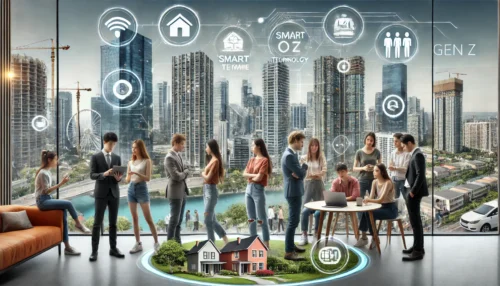
The property market is witnessing a significant shift as Gen Z, born from the late 1990s to the early 2010s, starts entering the housing market. Known for their distinct values and technological savviness, Gen Z buyers are driving changes in real estate. Developers and agents are adapting to appeal to this new wave of homeowners, reshaping property trends with innovative strategies.
Urban Connectivity: Prioritizing Convenience and Accessibility
One of Gen Z’s primary considerations when buying property is urban connectivity. Unlike previous generations that may have favored suburban or rural areas, many Gen Z buyers prioritize access to urban centers, public transportation, and vibrant social scenes. Proximity to work hubs, entertainment venues, and essential services ranks high on their list. This generation values walkable neighborhoods where daily needs and leisure activities are easily accessible.
Real estate developers respond by constructing mixed-use developments integrating residential, commercial, and recreational spaces. Properties in bustling city neighborhoods or within transit-oriented communities have become particularly attractive. Cities and developers also invest in infrastructure and sustainable urban planning to accommodate the preference for walkable and bike-friendly environments.
Smart Home Technology: High-Tech Living is a Must
Gen Z buyers have grown up in a world where technology simplifies everyday tasks, making smart home features highly appealing to them. High-speed internet, automated home systems, energy-efficient appliances, and advanced security systems are non-negotiable for this tech-savvy generation. People anticipate that their homes will be equipped with smart technology that blends effortlessly into their everyday lives.
Real estate agents and developers have begun emphasizing properties with the latest smart home advancements. This encompasses a wide range of technologies, including smart thermostats and lighting, voice-activated assistants, and home automation systems. These features appeal to Gen Z’s affinity for convenience and address their environmental consciousness by promoting energy efficiency.
Read more Luxury Property Market Trends in 2024: A Deep Dive.
Flexibility in Living Arrangements: Adaptable Spaces
Gen Z has grown up during times of rapid change, influencing their desire for flexibility in career and living situations. This generation places a premium on adaptable spaces that can evolve as their needs change. Open floor plans, multi-functional rooms, and co-living setups are becoming increasingly popular. Developers also consider home designs that accommodate work-from-home lifestyles, with dedicated office spaces or communal work areas.
In response to this trend, many new residential projects feature shared amenities, like coworking spaces and community lounges, where residents can work, collaborate, or socialize. These developments provide adaptable living solutions and foster a sense of community—another important value for Gen Z.
Sustainability and Eco-Friendly Living: A Core Priority
Sustainability is a significant factor influencing Gen Z’s purchasing decisions. Environmentally responsible homes that minimize their carbon footprint are in high demand. This generation looks for energy-efficient building materials, eco-friendly designs, solar panels, and community gardens. Many young buyers are also interested in properties located near green spaces and with access to local farmers’ markets or organic grocery stores.
Real estate developers are taking note and incorporating sustainable practices into their projects. Certifications like LEED (Leadership in Energy and Environmental Design) are being prioritized, and renewable energy sources are becoming commonplace in new builds. People view green buildings as environmentally beneficial and a practical way to reduce long-term living costs—an important consideration for budget-conscious Gen Z buyers.
The Influence on Property Trends
Gen Z’s emergence as property buyers drives real estate trends that align with their values: connectivity, technology, flexibility, and sustainability. Developers and agents use social media and digital content to engage with this group effectively. Virtual property tours, interactive websites, and personalized customer service are key ways the industry meets Gen Z’s expectations.


