
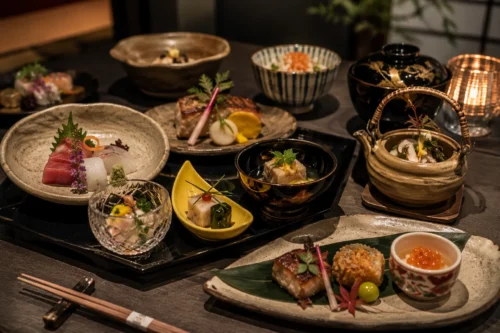
Sapporo is one of Japan’s most interesting destinations for travelers who appreciate food. As the largest city in Hokkaido, it brings together fresh regional ingredients, Japanese culinary traditions, modern restaurants, and dining styles influenced by the character of northern Japan.
For travelers looking for a more refined food experience, dining in Sapporo is not simply about finding an expensive restaurant. The quality of ingredients, preparation, atmosphere, service, and connection to Hokkaido can all contribute to a memorable meal.
From carefully prepared seafood to seasonal Japanese dishes and contemporary interpretations of local cuisine, the city offers many ways to explore food at a slower and more enjoyable pace.
What Makes Fine Dining in Sapporo Special
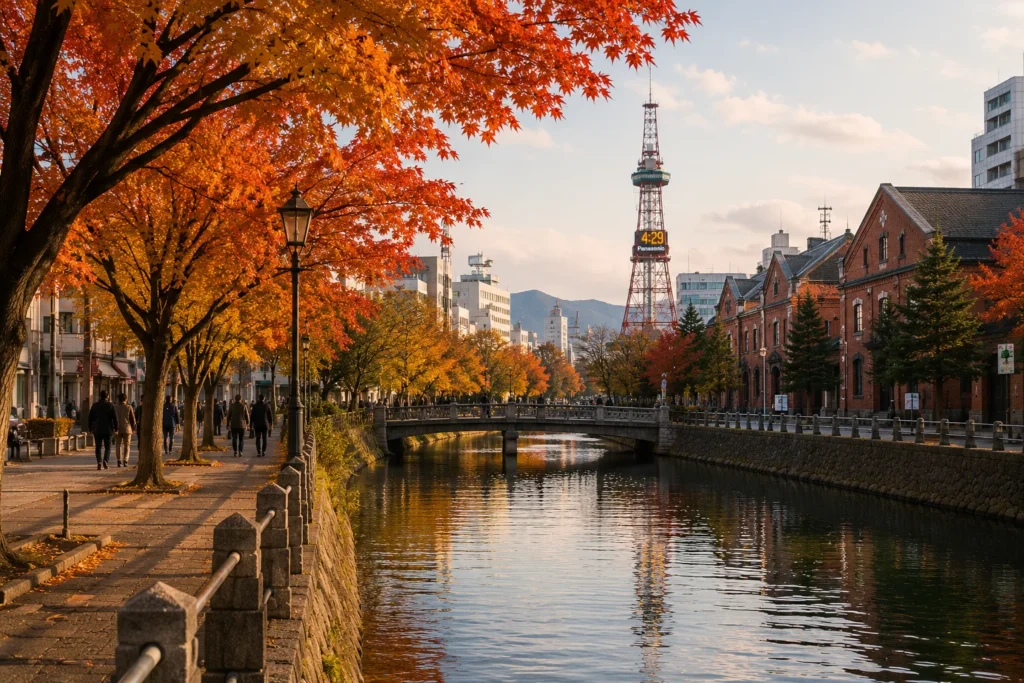
Fine dining in Sapporo can be appealing because of the relationship between the city’s restaurants and the ingredients available throughout Hokkaido.
Fresh Hokkaido ingredients
Hokkaido is widely associated with high-quality seafood, dairy products, vegetables, and agricultural produce. These ingredients give local restaurants a broad range of products to work with throughout the year.
Seafood can be particularly prominent. Depending on the season, diners may encounter crab, scallops, sea urchin, salmon, shrimp, and other varieties prepared using different Japanese techniques.
The quality of the ingredient often becomes the focus rather than complicated presentation.
Seasonal cooking
Seasonality plays an important role in Japanese cuisine. Restaurants can adjust menus according to what is available at different times of the year.
This means that a dining experience in Sapporo during winter may feel very different from one enjoyed during summer or autumn.
For travelers, this creates an opportunity to experience the destination through food rather than simply treating dining as a practical part of the itinerary.
Seafood Dining in Sapporo
Seafood is one of the strongest reasons many travelers visit Hokkaido, and Sapporo provides plenty of opportunities to experience regional seafood in more refined settings.
Sashimi and sushi
Fresh seafood can be served simply as sashimi or sushi, allowing the natural characteristics of each ingredient to remain prominent.
The quality of the fish, temperature, texture, seasoning, and presentation can all influence the experience.
For travelers who appreciate Japanese cuisine, a carefully prepared seafood meal can become one of the highlights of a Sapporo itinerary.
Crab and shellfish
Hokkaido is particularly well known for its crab and shellfish. These ingredients can appear in a variety of preparations, from straightforward grilled dishes to more elaborate multi-course meals.
Scallops and other shellfish can also be prepared in ways that highlight their natural sweetness.
Rather than focusing exclusively on one type of seafood, travelers can explore menus that combine several seasonal ingredients.
Exploring Japanese Cuisine in Sapporo
Fine dining in the city is not limited to seafood. Sapporo also provides opportunities to experience a wide range of Japanese culinary traditions.
Kaiseki-style dining
Kaiseki emphasizes seasonal ingredients, careful preparation, presentation, and progression between courses.
For travelers interested in a slower dining experience, a multi-course meal can provide an opportunity to appreciate different flavors and textures throughout the evening.
Each course can contribute to a broader culinary story, making the meal feel more like an experience than a simple dinner.
Contemporary Japanese cuisine
Some restaurants combine traditional Japanese ingredients and techniques with contemporary presentation or international influences.
This approach can be particularly interesting for visitors who want to experience familiar Japanese flavors in a different format.
The result may include local Hokkaido ingredients presented through modern cooking techniques while still retaining a connection to Japanese culinary traditions.
The Importance of Hokkaido Ingredients
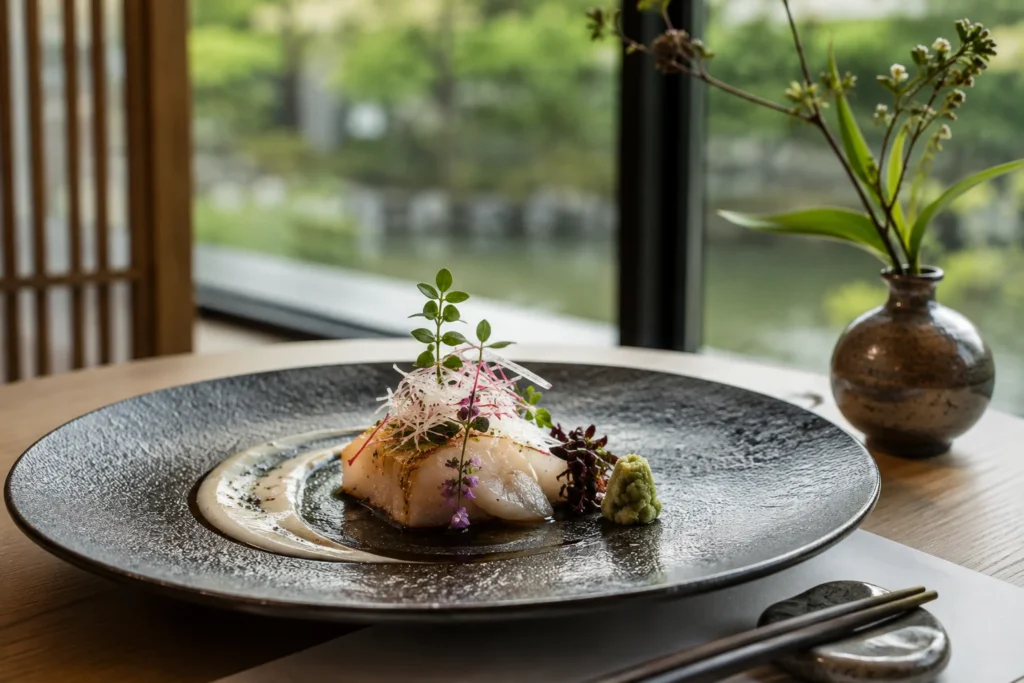
One of the most interesting aspects of dining in Sapporo is the opportunity to understand the region through its ingredients.
Dairy and agricultural products
Hokkaido’s agricultural reputation extends beyond seafood. Dairy products, vegetables, grains, and other locally produced ingredients can also play an important role in regional cuisine.
These products can appear in both traditional and contemporary dishes.
For travelers, trying local ingredients can provide a broader understanding of Hokkaido beyond the most recognizable seafood specialties.
Seasonal vegetables
Vegetables can change considerably throughout the year, giving chefs opportunities to create different menus according to the season.
Spring may bring delicate young vegetables, summer can offer fresh produce, and autumn can introduce ingredients associated with harvest season.
Winter menus can focus on ingredients and preparations that suit the colder climate.
Choosing a Fine Dining Experience
There are many different types of restaurants in Sapporo, so choosing the right experience depends on what the traveler values most.
Consider the atmosphere
The atmosphere can influence the overall experience as much as the food itself.
Some travelers may prefer an intimate restaurant with limited seating, while others might enjoy a sophisticated dining room with city views and a more social atmosphere.
For a special occasion, details such as lighting, table arrangement, service style, and privacy may be particularly important.
Look at the menu style
Travelers should also consider whether they prefer an à la carte meal or a fixed tasting menu.
A tasting menu can be a good option for visitors who want to sample several seasonal dishes without having to choose every individual course.
An à la carte restaurant may be more suitable for travelers who already know which ingredients or dishes they want to try.
Fine Dining for Special Occasions
Sapporo can be an appealing destination for celebrating a special occasion.
Celebrating an anniversary
An anniversary dinner can be built around a carefully selected restaurant, a comfortable setting, and enough time to enjoy the meal without rushing.
Choosing a restaurant with a quiet atmosphere can make the evening feel more personal.
Romantic dining
Couples may prefer restaurants that offer intimate seating, attractive interiors, or views of the city.
The experience can become even more memorable when combined with an evening walk or another relaxed activity before or after dinner.
Celebrating a milestone
Birthdays, engagements, and other milestones can also provide a reason to explore a more elaborate dining experience.
Rather than simply choosing the most expensive option, travelers can consider the atmosphere, cuisine, location, and level of service to find a restaurant that matches the occasion.
Dining at Different Times of the Day
Fine dining does not necessarily have to be limited to dinner.
A refined lunch
Lunch can be an excellent way to experience higher-end cuisine while leaving the evening available for other activities.
Some travelers may prefer a longer lunch followed by a relaxed afternoon exploring the city.
This can also work well for visitors who want to avoid finishing a major meal late at night.
Evening dining
Dinner provides more opportunities for atmospheric experiences.
As Sapporo’s city lights begin to appear, restaurants can offer a different mood from daytime dining.
For travelers staying in central areas, dinner can be combined with an evening stroll through nearby streets or entertainment districts.
Combining Dining With the Rest of the Trip
Food does not need to exist separately from the rest of a Sapporo itinerary.
Travelers can build an entire day around different experiences that naturally lead toward an evening meal.
Pair dining with sightseeing
A restaurant can be selected based on nearby attractions. Travelers might spend the afternoon exploring a cultural area before continuing to dinner.
This approach reduces unnecessary transportation and allows the meal to become the natural conclusion to a day of sightseeing.
Allow enough time
One of the biggest mistakes travelers can make is scheduling too many activities around a significant meal.
A carefully prepared dining experience deserves enough time. Rushing through dinner because another attraction is waiting can diminish the experience.
Leaving some space before and after the meal creates a more relaxed itinerary.
Fine Dining and Japanese Hospitality
Service is an important part of the overall dining experience.
Attention to detail
Japanese dining can involve a strong focus on presentation, timing, cleanliness, and hospitality.
For international travelers, these details can contribute significantly to the feeling of a special meal.
The experience may begin when guests enter the restaurant and continue through the sequence of courses until the end of the meal.
Respect the dining environment
Travelers can also make the experience more enjoyable by being mindful of the restaurant’s atmosphere.
Quiet conversation, consideration for staff, and awareness of dining etiquette can help maintain a comfortable environment for everyone.
There is no need to overcomplicate etiquette. Basic consideration and observation are usually enough.
How to Make the Most of a Fine Dining Experience
A little preparation can help travelers enjoy their meal more fully.
Research the cuisine beforehand
Understanding what a restaurant specializes in can help travelers decide whether it matches their interests.
Someone interested in seafood may prefer a restaurant centered on Hokkaido ingredients, while another traveler might prefer contemporary Japanese cuisine.
Check the reservation policy
Popular restaurants can have limited seating, particularly those specializing in carefully prepared tasting menus.
Travelers should consider making reservations in advance when possible, especially for important occasions.
Avoid an overly packed day
A premium dining experience is best approached without rushing.
Leaving enough time before dinner allows travelers to arrive comfortably and enjoy the meal without constantly checking the time.
Fine Dining Beyond Price
It is easy to assume that fine dining simply means an expensive meal. However, price alone does not determine whether an experience feels refined.
Ingredient quality matters
A restaurant using excellent seasonal ingredients can provide a memorable meal even when the menu is relatively simple.
The way ingredients are sourced, prepared, and presented can have a stronger influence on the experience than the price itself.
Service and atmosphere matter too
A restaurant with thoughtful service and a comfortable environment can create a strong impression even without extravagant decoration.
For travelers, the combination of food, service, atmosphere, and location is often more important than any individual element.
Planning a Food-Focused Sapporo Trip
Travelers who are particularly interested in cuisine can make food one of the central themes of their itinerary.
Mix different dining styles
Rather than eating at formal restaurants every day, travelers can combine different experiences.
One day might feature a refined seafood dinner, another could focus on casual local cuisine, and another might include a market visit or specialty café.
This creates more variety and provides a broader understanding of Sapporo’s food culture.
Explore local flavors gradually
Trying too many unfamiliar dishes in a short period can become overwhelming.
A better approach may be to identify a few ingredients or cuisines that are particularly interesting and explore them throughout the trip.
This gives travelers time to compare different preparations and discover personal favorites.
Creating a More Complete Sapporo Travel Experience
Dining can become even more rewarding when it is connected with other aspects of the trip.
Travelers interested in creating a more refined itinerary can explore premium travel experiences in sapporo alongside their culinary plans.
This broader approach allows food to become one part of a complete experience that may also include comfortable accommodation, seasonal activities, cultural exploration, shopping, and wellness.
Instead of treating each activity as an isolated event, travelers can create days where the different experiences complement one another.
Conclusion
Fine dining in Sapporo provides travelers with an opportunity to explore Hokkaido through food, ingredients, hospitality, and atmosphere. Seafood, seasonal vegetables, dairy products, and other regional ingredients give restaurants a strong connection to the surrounding area.
The best experience does not necessarily come from choosing the most expensive restaurant. Instead, travelers can focus on ingredient quality, cuisine, service, atmosphere, and the type of occasion they want to create.
Whether enjoying fresh seafood, a multi-course Japanese meal, contemporary cuisine, or a carefully planned dinner for a special occasion, Sapporo offers many ways to make dining an important part of the journey.
By leaving enough time for meals and connecting dining with sightseeing, culture, and relaxation, travelers can turn a simple dinner into one of the most memorable experiences of their visit.
Frequently Asked Questions
What food is Sapporo known for?
Sapporo is known for a variety of Hokkaido specialties, including seafood, crab, scallops, salmon, sea urchin, dairy products, vegetables, and regional dishes.
Is fine dining in Sapporo expensive?
Prices vary considerably depending on the restaurant, menu, ingredients, and service. A refined dining experience does not necessarily have to be the most expensive option available.
Should I make a reservation for fine dining in Sapporo?
For popular restaurants, particularly those offering limited-seat tasting menus, making a reservation in advance is recommended.
What is the best season for dining in Sapporo?
Every season offers different ingredients and experiences. Travelers can choose their visit based on the types of seasonal food and activities they want to experience.
Can I combine fine dining with sightseeing?
Yes. Choosing restaurants near attractions or planning dinner as the conclusion of a sightseeing day can create a more convenient and enjoyable itinerary.


