
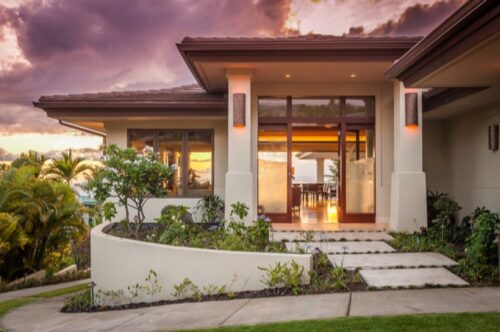
Renovating a property in Indonesia is not simply about aesthetics, it is about adapting to humidity, heat, heavy rainfall, and coastal air exposure. Understanding how to renovate a home for Indonesia’s tropical climate is essential if you want a house that stays cool, durable, and energy efficient year-round. From ventilation design to material selection, tropical renovation requires strategic planning that balances comfort, sustainability, and long-term value.
Understanding the Challenges of Tropical Living
At the top of the funnel, awareness begins with climate realities. Indonesia’s tropical conditions bring high humidity, intense sunlight, heavy monsoon rains, and, in some regions, salty coastal air. Without proper planning, these factors can lead to mould growth, overheating interiors, wood rot, and structural damage.
When renovating a home for Indonesia’s tropical climate, the first step is recognising that standard renovation solutions from temperate countries may not work here. Imported materials or closed-concept layouts often trap heat and moisture, increasing energy costs and reducing indoor comfort.
Tropical renovation focuses on airflow, shade, moisture control, and material resilience. Instead of fighting the climate with excessive air conditioning, the goal is to work with it.
Designing for Natural Cooling and Ventilation
As homeowners move into the consideration phase, practical design strategies become crucial.
1. Maximise Cross Ventilation
One of the most effective solutions for tropical renovation is cross-ventilation. Align windows and openings on opposite walls to allow air to flow naturally through the house. High ceilings also help hot air rise and escape.
Louvred windows, ventilated doors, and clerestory openings can dramatically improve airflow without increasing energy use. This design principle is fundamental when renovating a home for Indonesia’s tropical climate, as it reduces reliance on air conditioning.
2. Install Proper Shading Systems
Sun exposure significantly increases indoor temperatures. Adding extended roof overhangs, pergolas, vertical screens, or wooden louvres can block direct sunlight while still allowing natural light.
Strategic landscaping also plays a role. Trees, vertical gardens, and shaded terraces reduce heat absorption around the house.
3. Choose Heat-Resistant Roofing
Roof materials directly impact indoor temperature. Metal roofing with insulation layers, clay tiles, or reflective roof coatings helps minimise heat transfer. Proper insulation under the roof prevents heat from radiating into living spaces during peak sunlight hours.
Selecting Materials Built for Humidity and Rain
Material selection is where many renovations fail in tropical environments.
1. Moisture-Resistant Flooring
Avoid materials that swell or warp in humid conditions. Opt for porcelain tiles, polished concrete, treated hardwood, or natural stone. These materials withstand humidity better than untreated wood or laminate.
2. Anti-Mould Paint and Finishes
Use breathable, anti-fungal paint to prevent mould growth. Walls must allow moisture to escape rather than trap it.
3. Treated Timber and Metal
If using wood, ensure it is kiln-dried and termite-treated. Stainless steel or powder-coated aluminium works best for hardware in coastal regions where salt corrosion is common.
Understanding how to renovate a home for Indonesia’s tropical climate also means investing in long-term durability rather than short-term savings. Cheap materials often lead to higher maintenance costs over time.
Adding Value Through Smart and Sustainable Upgrades
At the decision stage, renovation choices should align with both lifestyle comfort and property value.
1. Energy-Efficient Cooling Systems
While natural ventilation is key, inverter air conditioners and ceiling fans provide additional efficiency. Solar panels are increasingly popular in Indonesia and can significantly offset electricity costs.
2. Drainage and Waterproofing
Heavy rainfall demands effective drainage systems. Ensure proper gutter installation, sloped roofing, and waterproof membranes for foundations and bathrooms.
3. Indoor-Outdoor Living Spaces
Tropical living thrives on seamless indoor-outdoor integration. Covered terraces, sliding glass doors, and open-plan layouts increase comfort while embracing natural airflow.
Homes designed with tropical principles are more attractive in Indonesia’s property market, particularly in regions like Bali, Jakarta, and Surabaya. Buyers and renters prioritise comfort, sustainability, and reduced energy bills.
Renovating with Climate Intelligence
Renovating in Indonesia requires more than design inspiration; it requires climate intelligence. By prioritising ventilation, shade, durable materials, and energy efficiency, homeowners can create spaces that remain cool, resilient, and low-maintenance.
When executed strategically, tropical renovation enhances both daily comfort and long-term investment value. Rather than resisting the environment, the smartest renovations embrace Indonesia’s climate and transform it into an advantage.


