
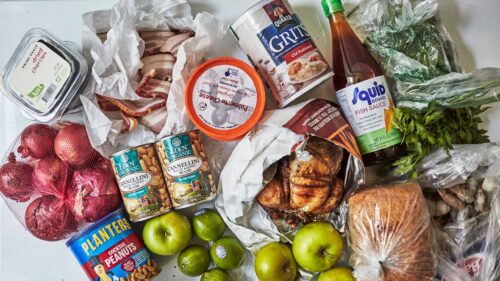
Eating healthy doesn’t have to be expensive, and this Grocery Shopping Guide: How to Eat Clean on a Budget proves exactly that. With thoughtful planning, knowing what to buy, and understanding how to read food labels, you can enjoy nutritious meals that are flavourful, affordable, and easy to prepare.
Start With a Simple, Smart Shopping Strategy
The easiest way to stick to clean eating while spending less is to shop with intention. Before entering any supermarket, list the meals you want to cook for the week. Planning prevents impulse buying and ensures you only pick ingredients you need.
Start by shopping the outer aisles: fresh produce, whole foods, dairy, meat, and minimally processed items are usually located around the perimeter of the store. These areas contain the highest-quality foods for clean eating—vegetables, fruits, eggs, fish, tofu, grains, and nuts.
When possible, choose seasonal produce. Foods like papaya, carrots, spinach, bananas, and cabbage are far cheaper during their peak season and often taste better because they’re fresher. Local markets are excellent for budget-friendly, high-quality ingredients.
Choose Whole Foods Over Packaged Items
Whole foods are almost always cheaper and healthier. A can of pre-seasoned chickpeas may cost double what dried chickpeas cost. Pre-grated cheese costs more than a simple block of cheese. Pre-cut fruit, pre-washed vegetables, or packaged “healthy meals” may seem convenient, but they usually come with a higher price tag.
Buying foods in their most natural form is the foundation of eating clean on a budget. A few examples:
- Buy whole grains like oats, rice, or quinoa in bulk.
- Choose whole vegetables instead of processed mixes.
- Opt for whole chicken or fish and portion it yourself.
These ingredients stretch across multiple meals and reduce waste.
Compare Prices by Weight, Not Packaging Size
Supermarkets are designed to encourage overspending, so focus on the price-per-gram or price-per-kilogram labels instead of the price tag. Larger packets often cost less per unit and last longer—perfect for clean-eating staples like beans, oats, lentils, nuts, spices, and whole-grain pasta.
Avoid buying individual servings unless necessary. Bulk items may cost more upfront, but significantly reduce weekly food spending.
Master the Art of Reading Food Labels
This part of the Grocery Shopping Guide: How to Eat Clean on a Budget helps you avoid hidden sugars, unhealthy fats, and additives that can quietly increase calories and reduce nutritional quality.
Here’s what to look for:
1. Ingredients List (Shorter Is Better)
A clean product usually contains three to eight ingredients you recognise—no chemical names, artificial flavours, or colourings.
2. Sugar Content
Check for hidden sugars like maltose, fructose syrup, dextrose, or cane juice. Even “healthy” snacks can contain surprising amounts of added sugar.
3. Healthy Fats vs Unhealthy Fats
Avoid hydrogenated or partially hydrogenated oils. Seek out healthier fat sources such as olive oil, avocado oil, or nuts.
4. Sodium Levels
Many packaged foods use excess sodium as a preservative. Choose lower-sodium foods whenever possible.
5. Serving Size
Some products appear low in calories or sugar because the serving Size is unrealistically small. If you typically eat double that amount, the real nutritional impact changes quickly.
Choose Versatile Ingredients to Maximise Taste and Budget
Clean eating is easiest when you buy ingredients that work across multiple recipes. Garlic, onions, eggs, tomatoes, rice, broccoli, tofu, oats, herbs, and spices are highly flexible and help you create flavourful meals without spending extra.
A few budget-friendly flavour boosters include:
- Fresh herbs (often cheaper at markets)
- Lemon or lime for acidity
- Garlic and ginger
- Chilli flakes, cumin, turmeric, and pepper
These transform simple foods into delicious meals without relying on expensive sauces.
Conclusion
By following this Grocery Shopping Guide: How to Eat Clean on a Budget, you can maintain a nutritious, flavourful lifestyle while keeping your costs under control. Thoughtful planning, whole foods, careful label reading, and versatile ingredients make clean eating both accessible and enjoyable. Eating well doesn’t need to be expensive—it simply needs to be intentional.


