
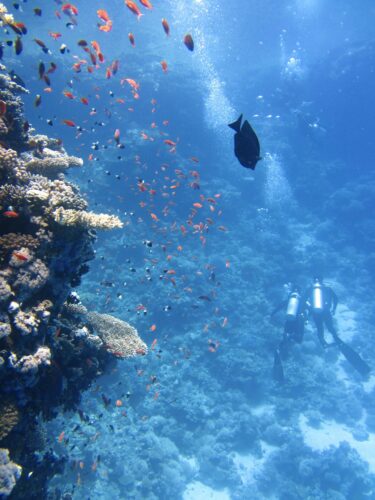
When divers discuss bucket list destinations, the Lembeh Strait in North Sulawesi, Indonesia, almost always makes the cut. Known as the “Critter Capital of the World”, this narrow stretch of water has become legendary for its unusual biodiversity and extraordinary muck diving opportunities. Unlike traditional coral reef dive spots, Lembeh offers black volcanic sand, rubble slopes, and sheltered bays that attract some of the ocean’s rarest, camouflaged, and downright bizarre marine species.
For our friends in Switzerland, imagine trading the snow-capped Alps for the warm tropical waters of Indonesia. A journey to Lembeh Strait promises something truly unique: the chance to dive in the Critter Capital of the World, where every dive feels like a treasure hunt. From rare octopus species to the tiniest pygmy seahorses, the underwater world here is unlike anything you’ll see in Europe. With direct international connections from Zurich and Geneva to North Sulawesi via major Asian hubs, it’s easier than ever to combine Swiss precision with Indonesian adventure. At Eco Divers Resort Lembeh, you’ll find eco-friendly comfort, expert guides, and a welcoming atmosphere. Perfect for Swiss divers seeking unforgettable critter encounters and a touch of tropical paradise.
1. Mimic Octopus (Thaumoctopus mimicus)
The mimic octopus is one of the most extraordinary examples of animal intelligence and adaptability. First discovered in Indonesia, this species can imitate other marine animals such as lionfish, flatfish, and even venomous sea snakes. By changing both its color and body posture, it confuses predators and amazes divers who are lucky enough to witness the transformation. Lembeh Strait is one of the best places on Earth to see the mimic octopus in action, usually gliding across sandy bottoms in shallow waters.
2. Wonderpus Octopus (Wunderpus photogenicus)
Easily confused with the mimic octopus, the wonderpus is another Lembeh superstar. Distinguished by its brown-and-white bands, the wonderpus is a favorite among photographers for its dramatic appearance and graceful movements. Unlike the mimic, it relies less on impersonation and more on its striking coloration for protection. Spotting a wonderpus hunting in the sand at dusk is an unforgettable highlight of any Lembeh dive trip.
3. Hairy Frogfish
Few creatures capture the quirky spirit of Lembeh quite like the hairy frogfish. Covered in frilly appendages that resemble hair or algae, this master of camouflage blends perfectly into sponges and rubble. Instead of swimming, frogfish “walk” clumsily on their pectoral fins, giving them an oddly comical appearance. They are also ambush predators, using a specialized lure on their heads to attract prey before swallowing it whole in an instant. For photographers, capturing a hairy frogfish mid-yawn is the ultimate trophy shot.
4. Flamboyant Cuttlefish
The flamboyant cuttlefish lives up to its name with vivid displays of purple, yellow, and red patterns that ripple across its body. Unlike most cuttlefish, it tends to walk across the seabed rather than swim, making it easier for divers to observe closely. But don’t let its small size fool you—this species is venomous, and one of the only cuttlefish known to pose a danger to humans if provoked. In Lembeh, you’ll often find them on sandy slopes or rubble patches, flashing their neon warning colors like an underwater firework.
5. Blue-ringed Octopus
Tiny, elusive, and stunningly beautiful, the blue-ringed octopus is one of the most famous inhabitants of Lembeh. Its brownish-yellow body comes alive with flashing electric-blue rings when threatened, signaling that it’s one of the most venomous creatures in the ocean. Despite its deadly reputation, divers can safely admire the blue-ringed octopus from a respectful distance. Finding one in Lembeh is a true highlight, and with the trained eyes of local dive guides, your chances are higher here than almost anywhere else in the world.
6. Pygmy Seahorse (Bargibant’s & Denise’s)
At less than two centimeters long, pygmy seahorses are almost invisible without a guide’s help. Perfectly camouflaged to match the sea fans they cling to, these tiny creatures are a photographer’s dream and a diver’s ultimate critter-spotting challenge. Two main species are commonly found in Lembeh: Bargibant’s, which hide in gorgonian corals, and Denise’s, which prefer thinner branches. Patience is key—finding and photographing these shy animals requires a sharp eye and steady buoyancy.
7. Harlequin Shrimp
Few creatures rival the ornate beauty of the harlequin shrimp. With cream-and-blue patterned bodies, these shrimp look like living jewels crawling across the reef. They are usually found in pairs, feeding on starfish slowly and deliberately. Spotting them feels like discovering a secret, as they are often hidden in crevices or under rubble. In Lembeh, the chances of encountering harlequin shrimp are among the best in the world, making it a must-see critter for macro enthusiasts.
8. Ornate Ghost Pipefish
Elegant and ethereal, the ornate ghost pipefish hovers delicately near crinoids or feather stars, perfectly camouflaged by its leaf-like body. They can be difficult to spot without a trained guide, as their transparent fins and slender frames blend seamlessly into the reef. Ghost pipefish are seasonal visitors to Lembeh, but when conditions are right, you may encounter several different species, including robust and velvet variants. Their graceful presence makes them a favorite among divers who appreciate subtle beauty.
9. Mandarinfish
Arguably the most colorful fish in the ocean, the mandarinfish is a diver’s dream to see in the wild. Covered in psychedelic swirls of blue, green, and orange, mandarinfish are best observed at dusk, when they emerge from coral rubble to perform their famous mating dance. Watching pairs rise together in a graceful spiral as the sun sets is one of the most enchanting experiences Lembeh offers. Memorable dusk dives are often organized just to witness this nightly ritual.
10. Ambon Scorpionfish (Hairy Scorpionfish)
The Ambon scorpionfish, sometimes called the hairy scorpionfish, is another well-camouflaged predator that blends into Lembeh’s sandy slopes. With its frilly appendages and mottled coloration, it can look like algae, coral, or just another patch of rubble. Like all scorpionfish, it has venomous spines for defense, but the real thrill lies in simply finding one. For divers who love rare encounters, spotting an Ambon scorpionfish in Lembeh feels like striking gold.
Why Lembeh is the Best Place for Critter Diving
What makes Lembeh so special is its unique habitat. The black volcanic sand and sheltered strait create an ideal environment for critters that are hard to find elsewhere. Instead of colorful coral walls, you’ll dive on sandy slopes, rubble fields, and seagrass beds—all perfect hiding places for unusual species. Combined with Lembeh’s position in the Coral Triangle, one of the world’s richest marine biodiversity zones, the result is unmatched for critter hunters. With the expert dive guides at Eco Divers Resort Lembeh, who are familiar with the behavior and habitats of these creatures, your chances of seeing them increase significantly.
Tips for Spotting & Photographing Critters
- Go slow: Many of Lembeh’s treasures are tiny and require patience to find.
- Perfect your buoyancy: Good control prevents disturbing sand and scaring critters.
- Macro photography setups: A macro lens is essential for capturing small subjects.
- Respect marine life: Avoid touching, chasing, or using bright continuous lights that may stress animals.
Responsible diving ensures that future generations of divers will also enjoy Lembeh’s wonders.
Plan Your Dive Trip to Lembeh
Diving in Lembeh is possible year-round, but many divers choose April to October for the calmest conditions and highest critter activity. At Eco Divers Resort Lembeh, guests enjoy the perfect combination of eco-friendly accommodation and world-class diving services. With small dive groups, personalized service, and a focus on sustainable tourism, the resort offers an unforgettable experience for both casual divers and serious photographers.
Whether it’s your first muck diving trip or your tenth, Eco Divers ensures every dive is full of discovery.
Conclusion
From the flamboyant cuttlefish’s neon flashes to the pygmy seahorse’s microscopic camouflage, Lembeh Strait is unlike anywhere else on Earth. Each dive brings new surprises, making it the ultimate destination for critter enthusiasts and macro photographers.
Ready to witness these incredible creatures yourself? Book your stay at Eco Divers Resort Lembeh today and experience why divers from around the world call it the Critter Capital of the World.


