
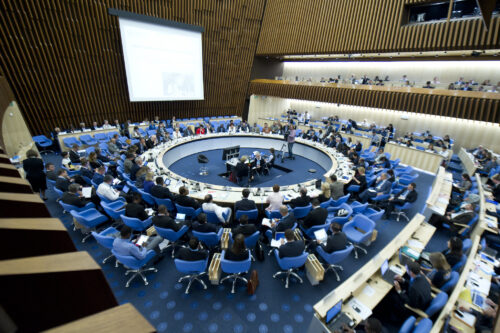
The 2024 Africa-Indonesia Forum wrapped up in Bali. Key officials and specialists gathered to exchange innovative ideas on sectors including tourism, agriculture, industry, and trade. For Bali’s tourism industry, the spotlight was on the successful conservation tourism practices developed by African countries.
Indonesia’s Minister of Tourism and Creative Economy, Sandiaga Uno, underscored the relevance of these practices. He highlighted the way African nations have transformed their cultural heritage into both tourist attractions and conservation efforts. He mentioned that Algeria boasts more Roman ruins than Italy, and Tanzania’s wildlife tourism makes up 30% of its economy.
Zanzibar, a Tanzanian island, drew comparisons to Bali throughout the forum. Although mistakenly called a country by some participants, Zanzibar shares many traits with Bali. One of them is its booming tourism sector and the challenge of preserving its cultural and natural environment amid rapid growth.
Luhut Binsar Pandjaitan, Indonesia’s Minister for Maritime Affairs and Investment, praised Tanzania’s achievements in maritime tourism and the blue economy. He also encouraged Bali to adopt similar initiatives. He suggested the possibility of establishing sister islands and maritime tourism hubs to strengthen ties between Bali and Tanzania.
As part of the forum’s outcome, Bali and Zanzibar are set to collaborate on several tourism efforts. Those include conservation tourism, maritime tourism, and sustainability-driven economic models. Zanzibar’s newly implemented requirement for mandatory travel insurance, which begins in October 2024, could offer insights for Bali. This would tackle the issue of uninsured tourists who sometimes face high emergency costs.
The forum’s discussions will drive a push toward sustainable and culturally sensitive tourism in Indonesia, with Bali at the forefront. Maintaining a balance between protecting natural landscapes and offering premium tourist experiences is seen as a key challenge for the island moving forward.
To support these goals, Indonesian lawmakers are working on new regulations designed to manage the conversion of agricultural and community lands for tourism and commercial purposes. These rules aim to protect Bali’s natural spaces as the island continues its expansion as a major tourist hub.
The Effect on Bali’s Tourism and Real Estate Market
As Bali explores African models of conservation tourism, this shift could significantly impact its tourism and real estate industries. A growing focus on eco-conscious and respectful tourism may reshape the demand for accommodation, with tourists preferring villas that embrace nature and sustainability.
Eco-friendly features in Bali villas for rent may soon become a standard, particularly in areas near conservation zones or natural landmarks. Properties offering access to preserved landscapes are likely to attract greater interest from eco-minded visitors.
For prospective property buyers in Bali, the island’s new focus on conservation could result in some uncertainties in the real estate industry. This might include stricter land use regulations, particularly in regions once slated for commercial development. This shift in priorities may lead to the rise of real estate projects that support environmental sustainability, providing a harmonious blend with Bali’s natural surroundings.
As environmental awareness increases, both tourists and investors may seek properties that combine luxury with a commitment to eco-friendly practices. This trend could enhance the appeal and value of real estate in Bali, especially in areas recognized for their dedication to sustainability.
Aligning Bali’s tourism and real estate sectors with conservation goals will further bolster the island’s reputation as a top global destination, helping preserve its natural wonders and supporting local communities for generations to come.


